

The PMA understands the training needs in general practice and the wider health & social care settings and has now supported the development of NHS staff for over a decade.
We have successfully engaged thousands of your colleagues to refresh and to bridge gaps in their skills and knowledge through the creation and delivery of a comprehensive selection of workshops.
The PMA now has over 120 workshops – but what makes us unique is that our programmes are never a ‘one model fits all’. PMAs workshops can be adapted to meet any specific locality requirements – so please get in touch if you have a specific training need or requirement that is not listed as we would be happy to create something bespoke for you. Equally we are experienced in creating wide-ranging learning programmes.
The web workshops provide practice staff with access to virtual training, which can be delivered in a convenient time window to meet your specific needs. These workshops can also be delivered face to face, if required.
If you want more information on the PMA web workshops or are interested in PMA developing a bespoke programme, please get in touch.
Quick Links to all Workshops
- 12-Lead ECG Interpretation NEW
- Access to Primary Care
- Active Signposting/Care Navigation
- Adapting Leadership Style to Deliver Results NEW
- Administrative Skills for Managers
- Administrative Skills Workshop – Taking Perfect Minutes
- RCN Accredited Asthma and COPD Course Advanced Clinical Skills NEW
- Advanced ECG Interpretation NEW
- Blood Glucose Level Monitoring and Diabetes NEW
- Business Management & Leadership
- Business Risk & Governance
- Capturing Medical Data: Summarising Past Medical Records
- Cardiac Skills for Frailty Pathway Advanced Clinical Skills NEW
- Caring with Kindness NEW
- Chairing meetings
- Change Management
- Chaperoning
- Coaching & Mentoring
- Compassionate Conversations: Skillful Communication in End-of-Life Care NEW
- Complaints Handling for Non-Clinical Staff in Primary Care
- Contract Changes & Updates in Primary Care NEW
- Core Skills Programme for Frontline Staff NEW
- Core Skills Programme for Frontline Dental Staff NEW
- Correspondence Management & Workflow Optimisation
- Cost Effective Prescribing
- CQC Fundamentals for Administration Staff NEW
- CQC Fundamentals for Nurses NEW
- CQC Fundamentals for Pharmacists and Clinical Leads NEW
- CQC Inspection Framework – Being ready for when it happens
- Customer & Conflict Management
- Cybersecurity Essentials for General Practice NEW
- Delivering Operational Excellence
- Dementia Awareness, Identification, and Risk Reduction NEW
- Digital Inclusion Training NEW
- Dispensary Management – the governance perspective
- Dispute Resolution
- Effective Appraisals and Personal Development Planning (PDP)
- Effective Clinical Appraisals and PDPs in Dental Practices NEW
- Effective Communication – getting your message across in all situations
- Effective Delegation Skills NEW
- Effective and Impactful Communication NEW
- Effective patient encounters: ‘right person, right place, right time’
- Enhanced Care Navigation
- Enhancing Patient Interaction and Communication Skills for Primary Care Staff
- Equality, Diversity and Inclusion in the Workplace
- Excel (Beginners)
- Excel (Intermediate)
- Exceptional Customer Service Training
- Frailty Focused Care: Preventing, Identifying, and Living with Frailty in Later Life NEW
- GDPR
- General Practice Property Management
- GP Development – Time Management
- Group Consultations
- Health Coaching for Practitioners to Improve Wellbeing and LifestyleHealth Coaching Skills
- Health & Safety
- Health & Safety, Employee Engagement & Wellbeing
- Health Literacy – Becoming a Health Literate Practice
- Health, Wellbeing, and Pharmacological Interventions NEW
- High Performing Virtual Teams
- HR & Employment Issues
- HR & Employment Law
- Hypertension and Cardiovascular Disease Advanced Clinical Skills NEW
- Improving Patient Relationships
- Infection Prevention and Control Training (IPC)
- Information Governance
- Integrated Patient Pathways
- Intravenous Cannulation NEW
- Introduction to Clinical Coding
- Introduction to General Practice – Module One: Customer Service and Care
- Introduction to General Practice – Module Two: Administration
- Introduction to General Practice – Module Three: Improving Patient Experience
- Introduction to General Practice – Module Four: Personal Development
- Introduction to Medicines Management
- Introduction to Menopause in the Workplace
- Introduction to Practice Management
- Introduction to Practice Management & Performance Management
- Introduction to Primary Care
- Introduction to Primary Care for New Starters
- Law, Ethics, End-of-Life Care and Leadership NEW
- Leadership Development
- Leadership Development & Leading Through Change
- Leading with Clarity and Effective Communication NEW
- Leading Conflict and Handling Difficult Conversations NEW
- Leading Cross-Functional Teams to Collaborate and Perform NEW
- Leading Different Personality Types NEW
- Living Well, Families and Inclusion NEW
- Managing Conflict
- Managing Difficult Conversations
- Managing Menopause in the Workplace
- Managing Practice Finances
- Mandatory Training for Primary Care
- Manual Blood Pressure Recording NEW
- Medical Terminology (Introduction to)
- Medical Terminology (Advanced)
- Mental Health Upskilling: Dementia – Session One – Dementia Awareness, Identification, and Risk Reduction NEW
- Mental Health Upskilling: Dementia – Session Two – Person-Centred Care and Communication NEW
- Mental Health Upskilling: Dementia – Session Three – Health, Wellbeing, and Pharmacological Interventions NEW
- Mental Health Upskilling: Dementia – Session Four – Living Well, Families and Inclusion NEW
- Mental Health Upskilling: Dementia – Session Five – Law, Ethics, End-of-Life Care and Leadership NEW
- Mental Health in Later Life: Understanding the 3Ds – Depression, Dementia, and Delirium NEW
- Motivating Teams
- New Care Models – Working at Scale
- NHS Pensions Update
- Overview of Microsoft Office Applications
- Partnerships & Federations
- Patient Safety: Compassionate Conversations: Skillful Communication in End-of-Life Care NEW
- Patient Safety: Caring with Kindness NEW
- PCN Recruitment
- People Leadership
- Performance Management
- Person-Centred Care and Communication NEW
- Phlebotomy Training NEW
- Practice Management Fundamentals Programme NEW
- Prescription Clerk (Medicines Management)
- Preventing Sexual Harassment in the Workplace
- Primary Care Management Programme NEW
- Primary Care Networks – Update
- Primary Care Workforce: Resilience & Wellbeing
- Procurement
- Project Management
- Property Management
- Quality and Outcomes Framework
- Resilience for GPs and Clinicians
- Resilience & Staff Wellbeing
- ReSPECT Conversations: Building Confidence in End-of-Life Decision-Making NEW
- Respiratory Conditions Advanced Clinical Skills NEW
- Risk Registers & Assurance
- Risk & Governance
- Safer Recruitment
- Serious Incidents & Root Cause Analysis
- Social & Digital Media
- Social Prescribing within the PCN – How to make it a success!
- Stress Management
- Stress Management, Resilience & Wellbeing
- Succession Planning and Workforce Retention in Primary Care
- Sustainability in Primary Care
- Telephone Triage – for front-line staff & reception staff
- Telephone Triage – GPs, nurses & other practice clinicians
- Thrive not just Survive
- Train the Trainer
- Triage and recognising red flags
- Understanding GP Partnerships
- Understanding and Overcoming Imposter Syndrome in Leaders NEW
- Using Skill Mixes to Meet Demand: Enhancing Workforce Efficiency in General Practice NEW
- Video Consultation for GPs, nurses & other practice clinicians
- Mastering Advanced Wound Care: Elevating Clinical Skills for Complex Cases Advanced Clinical Skills NEW
- Zero Tolerance for Primary Care front line staff
Inclusive and Accessible
PMA is committed to inclusiveness and accessibility. The learner and practice staff-centred sessions will seek to embrace the principle of inclusive learning. These sessions will be delivered in cohorts. Whether face-to-face or virtual, we will engender a learning environment where we all agree to the principles of:
- Togetherness – and as this is an opt-in opportunity to be included in the programme, we’ll agree on openness and the need and desire to change.
- Equality, where we are all equal – we can’t change the past but we can change the future.
- Participation and engagement – where all voices will be heard.
- Respect and acceptance.
- Acceptance and agreement of the rules of the room and the rules of engagement.
- Embracing individual differences.
- Embracing the Principle of Change.
Building confidence and affirming their identity as valued team members will support their learning and their engagement with the changes needed.

Customer Service & Managing Conflict
This half day workshop been developed to support receptionists and other health care professionals in General Practice to develop their skills and confidence to provide excellence in customer service and to help manage challenging conflict situations. The workshop will help you create a vision of exceptional customer service and will also help you to manage conflicts that arise in General Practice. We will consider how and why conflict may arise between staff members and the patients or their carers around access to services, treatments and other aspects of practices life and will consider and reflect on ways to manage this.

Prescription Clerk
The Developing the Role of a Prescription Clerk module is aimed at practice managers, receptionists and administrative staff who wish to broaden their knowledge of Medicines Management within General Practice. Receptionists are often the first point of contact in general practice for patients when it comes to ordering their repeat medications or when they have a query concerning them. They can play a ‘hidden’ crucial role in the highly complex process of repeat prescribing and the collaboration between clinical and administrative staff is crucial to maintaining the quality and safety of prescribing.
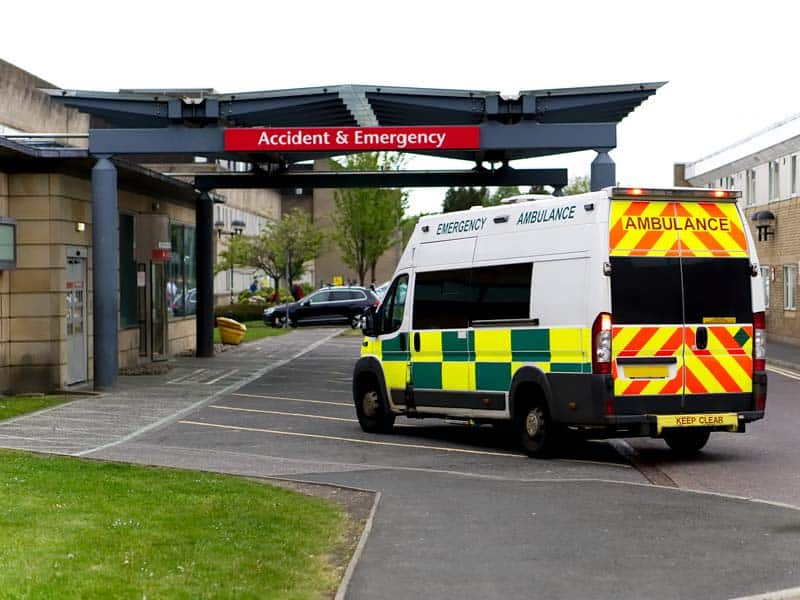
Serious Incidents & Root Cause Analysis
Root Cause Analysis or RCA is widely endorsed by healthcare systems worldwide for the investigation of serious incidents. RCA is understood as a method of structured risk identification and management in the aftermath of adverse events. The RCA is not a single technique but, describes a range of approaches and tools drawn from many fields – and these will be fully explored throughout the web workshop. These will enable you to establish how and why an incident occurred to identify how it, and similar problems, might be prevented from happening again.

GP Development – Time Management
This half day course will help GPs and Clinicians to analyse and prioritise their own workload, as well as recognise and manage the causes of 'bad' time management. The workshop will explore assertiveness is the capacity to control your working environment to manage time and work performance under pressure. This workshop will enable you to understand your own behavioural styles and those of others and develop achievable techniques for communicating and behaving more assertively.

Introduction to Medical Terminology
This web workshop is for those who would benefit from understanding the component parts of medical terminology. An understanding of medical terminology is essential for anyone working in the medical industry. Delegates will be able to apply the learning to every-day situations back in the practice.

Coaching & Mentoring
This module focuses on ‘coaching for performance’ – and will develop the skills needed to understand and develop the capability and capacity in the practice. Through the introduction of a variety of coaching tools and techniques, this module will develop the core skills of questioning and listening and using powerful questions to support people in achieving their best outcomes. Delegates will gain an understanding of the skills, principles and practice of effective management coaching and mentoring.

Excel for Beginners
One of the most widely used programmes in the world for visualising and analysing data is Microsoft Excel. Within a practice this software can be used to track hours, finances, and invoices, and for data analysis, to visualise data, and innumerable other tasks.

Intermediate Excel
Module 2: One of the most widely used programmes in the world for visualising and analysing data is Microsoft Excel. Within a practice this software can be used to track hours, finances, and invoices, and for data analysis, to visualise data, and innumerable other tasks.

Managing Conflict
Receptionists are the first point of contact in general practice for patients when it comes to their contact with the surgery – this can be for appointment making, treatment queries, ordering their repeat medications or when they have other prescription related query. Receptionists and administrative staff play a hidden, but crucial role in managing patient expectations.
Join our vibrant community of over 50,000 today and benefit from our services
As a PMA member, you will benefit from regular news and updates on key issues and regulatory changes that affect you in your role. You will gain access to exclusive training and events that ensure you maintain currency of knowledge and skills. You will have the opportunity to meet and network with your peers from around the UK