
PMA Masterclasses provide an immersive experience delivered by facilitators with real expertise allowing delegates to develop their knowledge and skills. The sessions will provide you with the confidence you need to understand the real challenges in primary care and deliver more efficiently and effectively.
The masterclasses are all designed and delivered by subject experts with experience in Primary Care. Each session will typically be 2 hours and include a workbook or slide deck and other supporting materials. Within the masterclass sessions, interaction and discussion are always encouraged. Action planning and feedback will be built into the sessions, to enable delegates to take away a personalised journey.
All PMA Workshops can be delivered in the masterclass format. Current hot topics include:
- Primary Care Networks
- CQC Compliance
- Working at Scale
- Managing Practice Finances
- Leadership
- Change Management
- HR & Employment
- Active Signposting
- Conflict Management
- Resilience and Wellbeing
- Work Life Balance
- GDPR Compliance
- Information Governance
- Root Cause Analysis

NHS Pensions Update
NHS Pensions are explained in a user-friendly, interactive way. This web workshop will provide practical guidance to enable participants to map outcomes onto their own practice – across their GPs, GP Partners, Locums and other clinical and non-clinical staff.

CQC Inspection Framework – Being ready for when it happens
This workshop delves into the CQC assessment process, equipping participants with effective strategies to navigate it successfully. Our focus is on fostering a culture of engagement within GP Practices by enhancing understanding of the CQC assessment framework. This session is meticulously updated to integrate the latest 2023 CQC guidelines, indicating a gradual transition toward revised assessment methodologies.

Introduction to Menopause in the Workplace
Delegates will explore the changing face of the workplace, key facts, and symptoms of menopause, develop skills to manage sensitive conversations and how best to support yourself and colleagues to maintain wellbeing and productivity.

Motivating Teams
Your team may have all the expertise in the world but, if they're not motivated, it's unlikely that they'll achieve their true potential. Motivated people have a positive outlook, they're excited about what they're doing, and they know that they're investing their time in something that's truly worthwhile. In short, motivated people enjoy their jobs and perform well.

Managing Menopause in the Workplace
By increasing awareness, developing positive cultural engagement, and understanding the hazards of doing nothing, organisations in general practice will be able to reduce their risk, protect their reputation, and support all staff affected by menopause, whether directly or indirectly.

Health Literacy – Becoming a Health Literate Practice
This programme focuses on how becoming a more health literate practice can help not only your patients achieve better health outcomes, but also how you as a practice can be more effective, efficient and enhance your reputation.

Effective patient encounters: ‘right person, right place, right time’
The key objective of engaging the patients and signposting is to help patients access the right care at the earliest opportunity. It is a new system of ‘triage‘, carried out at the first point of contact with the GP practice by non-clinical staff under the direction of the clinical team.

Zero Tolerance for Primary Care frontline staff
This face to face workshop has been developed to support front line staff and other health care professionals in General Practice to develop their skills and confidence to better manage disputes, help manage challenging conflict situations and understand zero tolerance.

Capturing Medical Data: Summarising past Medical Records
Managing “degraded data” and extracting data from paper records is a recognised and acceptable inheritance, by the receiving practice, however, it can be problematic and resource-heavy. This training will focus on safely managing ‘degraded’ virtual information and reviewing and extracting significant and minor past medical and social histories from paper records.

Sustainability in Primary Care
The session will help you to understand why sustainability matters, then help you to ‘green’ your practice using case studies from primary care and offering tips and tricks for implementing sustainability improvements.

Managing Practice Finances
This is the foundation workshop to the PMA programme – a series focused on the business management of general practice - where practice finances and accounting systems are explained in a user-friendly, interactive way.

HR & Employment Law
This programme focuses on issues that regularly arise in medical practice, they are often difficult to deal with concerning the critical human resource. We will cover employment law with practical guidance to enable participants to manage more effectively their human resource and deal with staffing challenges.

Risk & Governance
In this module, we will focus on how to create competitive, collaborative and commercial advantage for the GP Practice through an understanding of the Risks and Governance issues relevant to General Practice.

Stress Management, Resilience & Wellbeing
Participants will improve their understanding of staff employee engagement, wellbeing and building resilience in the practice and will receive frameworks for managing staff behaviour. They will also gain an insight into human resource management.

Social & Digital Media
The possibilities presented by social and digital media are endless. Our Social and Digital Media workshop is about achieving effective social media marketing communications for your practice.

Social Prescribing within the PCN – How to make it a success!
This programme focuses on the most advantageous and effective means of recruiting, employing and deploying the additional Social Prescribing roles that have now been made available for recruitment by PCNs via the Additional Roles Reimbursement Scheme (ARRS).

Effective Communication – getting your message across in all situations
The main aim of this training course is to enable participants with an understanding of the impact that their communication skills can have on others, while exploring the different ways in which developing these skills can make it easier for them to succeed in the health care setting and beyond.

High Performing Virtual Teams
Many team members have difficulty because they cannot see what other members are doing. Even the most skilled managers find difficulty in communicating and building a team when there is no physical proximity. Mastering the art of working in virtual teams will increase your team’s productivity and performance.

Video Consultation for GPs, nurses & other practice clinicians
The key objective of Video Consultation is to help patients access the right care at the earliest opportunity – and in a way that provides them with flexibility, convenience, security, a sense of empowerment about engaging with clinicians and the stimulation to invest in their wellbeing.

Telephone Triage – for frontline & reception staff
The key objective of Telephone Triage is to help patients access the right care at the earliest opportunity – and in a way that provides them with flexibility, convenience, security, a sense of ownership and the stimulation to invest in their wellbeing.

Telephone Triage – GPs, nurses & other practice clinicians
The key objective of Telephone Triage is to help patients access the right care at the earliest opportunity – and in a way that provides them with flexibility, convenience, security, a sense of ownership and the stimulation to invest in their wellbeing.

Customer & Conflict Management
This web workshop session been developed to support front line staff and other health care professionals in General Practice to develop their skills and confidence to provide excellence in customer service and to better manage disputes and to help manage challenging conflict situations experienced in practice.
Quality and Outcomes Framework
This workshop will give an introduction to QOF, what it does and why it is important. Delegates will learn how it works, the indicators, how this is calculated and how they should record the data to understand the QOF process fully.

Chairing meetings
This workshop provides attendees with the vital skills and techniques for leading concise, structured and meaningful meetings.

Enhanced Care Navigation
The workshop will support the delegates understanding of the role, responsibilities and competencies to enable the delivery of enhanced care navigation and will look in turn, at supporting the development of these skills.

Risk Registers & Assurance
This module focuses on the holistic approach to Risk and Governance. Issues that regularly arise in medical practice can often be difficult to identify, understand and monitor. We will focus on how to create understanding of the Risks and Governance issues relevant to General Practice.

Safer Recruitment
This web workshop is for Practice Managers, Assistant Practice Managers and Business Managers wanting to understand how to do safer recruitment within General Practice.

Administrative Skills for Managers: Recording Minutes & Chairing Meetings
This web workshop provides attendees with the vital skills and techniques for creating the right agenda and leading concise, structured and productive meetings with meaningful outcomes and clear actions. Taking board meeting minutes is time-consuming and requires attention to detail, they are a log of key decisions that future board members can reference. The second part of the session will explore the role of the Chair in leading meetings and ensuring the best outcomes.

Administrative Skills Workshop – Taking Perfect Minutes
The workshop will develop your skills relevant to general practice, but could take you beyond general practice and into acute care, private practice, research, the wider pharmaceutical industry and other complimentary medical environment.

Project Management
This workshop is for NHS staff who are responsible for project management and are keen to refresh and improve their skills and knowledge on how to plan a successful project.

Delivering Operational Excellence
This full day workshop is for NHS staff who are practice or administration managers in Primary Care who want to improve their operational delivery.

Procurement
This workshop will help you understand the full NHS supply chain model from sourcing to patient by talking through key activities in the supply chain that affect you and your practice.

Primary Care Networks – Update
This web workshop will provide an update on the Primary Care Network DES and the delivery requirements within and also provide useful templates for evaluation of PCN services and delegates will be encouraged to share challenges, issues and concerns they may have – our facilitator will also share their experiences.

New Care Models – Working at Scale
Working at Scale has become a key driver across general practice and all other areas of the wider NHS – presenting opportunities for new ways of working and for the development of new services all driven by the goal of improving patient care. ‘At Scale’ provision of care, will increasingly see practices shift towards collaborative working models – formal mergers, partnerships and federations and Multi-Specialty Community Providers (MCPs) – key advantages of this approach are the ability for practices to build on their strengths, improve their reach and also share the workload. But what are the practicalities of working at scale?

Effective Appraisals and Personal Development Planning (PDP)
The peer to peer appraisals workshop will enable delegates to understand – for themselves and their staff – where they are starting from on their personal leadership journeys. They will process and deliver the feedback sessions to people, helping them create personal action plans that they can take into their further development and learning. Continual development, setting goals and gathering peer support are essential to a successful Personal Development Plan (PDP). The workshop will also explore the role of the PDP and how this will guide all staff in their career, whatever grade they are at.

Dispensary Management – the governance perspective
This workshop has been designed to be practical and easily digestible for those with responsibility for the Management of Dispensing and Prescribing quality schemes and the specific Governance standards which the schemes stipulate should be in place within the Primary Care sector. It will also cover the specific CQCs standards and how an integrated approach can benefit the practice.

Customer Service & Managing Conflict
This half day workshop been developed to support receptionists and other health care professionals in General Practice to develop their skills and confidence to provide excellence in customer service and to help manage challenging conflict situations. The workshop will help you create a vision of exceptional customer service and will also help you to manage conflicts that arise in General Practice. We will consider how and why conflict may arise between staff members and the patients or their carers around access to services, treatments and other aspects of practices life and will consider and reflect on ways to manage this.

Prescription Clerk
The Developing the Role of a Prescription Clerk module is aimed at practice managers, receptionists and administrative staff who wish to broaden their knowledge of Medicines Management within General Practice. Receptionists are often the first point of contact in general practice for patients when it comes to ordering their repeat medications or when they have a query concerning them. They can play a ‘hidden’ crucial role in the highly complex process of repeat prescribing and the collaboration between clinical and administrative staff is crucial to maintaining the quality and safety of prescribing.

Serious Incidents & Root Cause Analysis
Root Cause Analysis or RCA is widely endorsed by healthcare systems worldwide for the investigation of serious incidents. RCA is understood as a method of structured risk identification and management in the aftermath of adverse events. The RCA is not a single technique but, describes a range of approaches and tools drawn from many fields – and these will be fully explored throughout the web workshop. These will enable you to establish how and why an incident occurred to identify how it, and similar problems, might be prevented from happening again.

GP Development – Time Management
This half day course will help GPs and Clinicians to analyse and prioritise their own workload, as well as recognise and manage the causes of 'bad' time management. The workshop will explore assertiveness is the capacity to control your working environment to manage time and work performance under pressure. This workshop will enable you to understand your own behavioural styles and those of others and develop achievable techniques for communicating and behaving more assertively.

Introduction to Medical Terminology
This web workshop is for those who would benefit from understanding the component parts of medical terminology. An understanding of medical terminology is essential for anyone working in the medical industry. Delegates will be able to apply the learning to every-day situations back in the practice.

Coaching & Mentoring
This module focuses on ‘coaching for performance’ – and will develop the skills needed to understand and develop the capability and capacity in the practice. Through the introduction of a variety of coaching tools and techniques, this module will develop the core skills of questioning and listening and using powerful questions to support people in achieving their best outcomes. Delegates will gain an understanding of the skills, principles and practice of effective management coaching and mentoring.

Excel for Beginners
One of the most widely used programmes in the world for visualising and analysing data is Microsoft Excel. Within a practice this software can be used to track hours, finances, and invoices, and for data analysis, to visualise data, and innumerable other tasks.

Intermediate Excel
Module 2: One of the most widely used programmes in the world for visualising and analysing data is Microsoft Excel. Within a practice this software can be used to track hours, finances, and invoices, and for data analysis, to visualise data, and innumerable other tasks.

Managing Conflict
Receptionists are the first point of contact in general practice for patients when it comes to their contact with the surgery – this can be for appointment making, treatment queries, ordering their repeat medications or when they have other prescription related query. Receptionists and administrative staff play a hidden, but crucial role in managing patient expectations.

Cost Effective Prescribing
Prescribing is the most common intervention involving patients in the NHS and as such is the second highest area of spending in the NHS, after staffing. Statistics from NHS Digital show that in 2016 there were 1,104.1 million items dispensed, an increase of 1.9% or 20.5 million additional items compared with 2015. This was at a cost to the NHS of £9,204.9 million. With increasing numbers of prescriptions, it is imperative that prescribing is cost effective to provide the best value for money for NHS resources whilst also meeting the clinical needs of the patient.

Introduction to Medicines Management
Receptionists are often the first point of contact in general practice for patients when it comes to ordering their repeat medications or when they have a prescription related query. Often receptionists and administrative staff play a hidden but crucial role in the highly complex process of repeat prescribing. But, the collaboration between clinical and administrative staff is equally crucial to maintaining the quality and safety of prescribing.
Information Governance
With the new General Data Protection Regulations (GDPR), that came into force in May 2018, more attention is focused on ensuring healthcare staff use and share information in a legal and secure way. You will need to understand what is considered personal data and the responsibility the use and sharing of it brings. Learning how good, safe management of information can assist in the provision of good quality care and be a cornerstone of good governance, it will help in understanding the need to incorporate data protection into day to day practice and planning.

Stress Management
According to the UK's Health and Safety Executive (HSE, 2017), work related stress, anxiety and depression continue to represent a significant ill health condition in the workforce of Great Britain. Work related stress accounts for 37% of work related ill health and 45% of days lost, in 2015/16. The occupations and industries reporting the highest rates of work related stress remain consistently in the health and public sectors (HSE 2017).

Performance Management – Grievances/Disciplinary Actions for Managers
This 3-hour web workshop is tailored to equip managers with the essential skills and knowledge in Performance Management, specifically focusing on Grievances and Disciplinary Actions. The programme provides a dynamic and interactive learning experience, incorporating practical guidance to enhance participants' ability to navigate complex human resource challenges effectively.

Property Management
We are facing multiple challenges and there is an apparent disconnect between managing your healthcare practice and delivering contracted medical services. Whilst the ownership of the practice can be separate from the service provision, it is usually the doctors who own and provide medical services. This workshop covers various property issues which have a direct impact on the practice.

Mandatory Training for Primary Care
This workshop will provide an introductory level of understanding of the Mandatory Training required for Primary Care. The programme will include Health and Safety Awareness (including fire safety, manual handling and infection control) and how this impacts people and the work environment.

Health Coaching for Practitioners to Improve Wellbeing and Lifestyle
This is a comprehensive workshop designed to enhance your proficiency as a health coach within the NHS. Throughout this engaging session, participants will delve into various facets of health coaching, gaining valuable insights and skills essential for effective personalised care.

Enhancing Patient Interaction and Communication Skills for Primary Care Staff
This session has been designed to equip front-line staff and healthcare professionals in General Practice with the skills and confidence necessary to provide exceptional customer service, navigate disputes, and effectively manage challenging conflict situations within practice environments.

Understanding GP Partnerships
This Understanding GP Partnerships web workshop is for Practice Managers, Assistant Practice Managers and Business Managers wanting to understand the requirements of Partnerships within General Practice.

Chaperoning
Current guidance from the NHS regarding the role of chaperones recommends that all staff should understand the role of the chaperone and the procedures for raising concerns and that all formal chaperones understand their role and responsibilities and are competent to perform that role.

Triage and recognising red flags
The key objective of this web workshop is to help frontline non-clinical staff actively triage and recognise any red flags to help patients access the right care at the earliest opportunity.

Succession Planning and Workforce Retention in Primary Care
This three-hour web workshop has been designed specifically for non-clinical managers in primary care. In today's dynamic healthcare landscape, ensuring the continuity of leadership and retaining a skilled workforce are paramount to the success of practices.

Preventing Sexual Harassment in the Workplace
This preventing sexual harassment in the workplace web workshop has been designed to equip everyone with the ability to recognise the signs of sexual harassment, understand the steps necessary to report sexual harassment, and empower all with the knowledge and tools they need to identify, prevent, get support or take action in the workplace.

Primary Care Workforce: Resilience & Wellbeing
The web workshop will focus on developing personal and professional behaviours, to ensure employee resilience and wellbeing.

PCN Recruitment
This web workshop is designed to provide primary care staff with a comprehensive understanding of PCN recruitment, including legal and regulatory considerations, best practices for attracting and selecting suitable candidates, and strategies for onboarding and developing new staff.

Managing Difficult Conversations
This workshop will explore different types of difficult conversations, how to manage these effectively and enable delegates to be in control of a difficult conversation at all stages of the interaction so that they can achieve the desired outcome.

Integrated Patient Pathways: Optimising Care Navigation, Triage, and Effective Patient Encounters in General Practice
Integrated Patient Pathways: Optimising Care Navigation, Triage, and Effective Patient Encounters in General Practice is a comprehensive training program designed for non-clinical Reception staff, Practice and Frontline Managers in General Practice. The programme focuses on optimising patient access, emphasising Care Navigation, Active Signposting, and Triage systems.

Introduction to Primary Care for New Starters
The PMA Introduction to Primary Care Induction Programme covers all the key areas that need to be addressed when working within this sector as a new starter (clinical or non-clinical).

Improving Patient Relationships
The key objective of this web workshop is for frontline staff and those in the ARRS roles to improve their relationships with patients. This session includes an introduction to the roles of the frontline staff and ARRS roles and how they should effectively work together to benefit patients and reduce overall wait times.

Equality, Diversity and Inclusion in the Workplace
This web workshop will look at Equality, Diversity and Inclusion and why this is important in general practice. Delegates will be able to apply the learning to everyday situations back in the practice.

How to make your Practice Digitally Inclusive
The key objective of this web workshop is for non-clinical staff to understand the advantages of a digitally inclusive practice. This session includes an in-depth look at all those online resources available within practice to streamline access to healthcare for patients and streamline workload for a more efficient practice.

Complaints Handling for Non-Clinical Staff in Primary Care
This Complaints Handling workshop will equip participants with the necessary knowledge and skills to handle complaints effectively and efficiently.

Advanced Medical Terminology
Virtual workshop for those who have the undertaken the Introduction to Medical Terminology who have a good understanding of the component parts of medical terminology.

Resilience & Staff Wellbeing
The web workshop will focus on developing personal and professional resilient behaviours, to ensure employee engagement and wellbeing.

Introduction to Practice Management
The PMA introduction to practice management web workshop programme covers all of the key areas that need to be addressed when managing a busy and successful practice. We focus on the issues that regularly arise in medical practice.

Health & Safety
This web workshop focuses on health and safety in general practice.

Access to Primary Care
This web workshop is for Senior Managers, Practice or Administration Managers in Primary care who need to gain a thorough understating of the Delivery Plan for Recovering Access to Primary Care. During the workshop, delegates will gain a detailed understanding of the new contractual requirements around access to GP services.

Infection Prevention and Control Training (IPC)
This workshop addresses critical aspects of IPC, ensuring participants are well-equipped to handle challenges in infection prevention and control within their respective roles.

Business Management & Leadership
This is an intensive web workshop for those in practice management leadership roles who wish to explore and understand the impact they can make on those around them to develop better practices.

People Leadership
An intensive web workshop that looks at people leadership, team-working models, and provides practical guidance on how to lead PCN and practice staff. We will also focus on essential skills that help you become the best leader you can be with a focus on how to adapt your leadership style to deliver results through people.

Core Skills Programme for Frontline Staff
The Core Skills Programme for Frontline Staff ia a practical training programme is designed to equip GP receptionists, administrators, care navigators, and other frontline staff with the essential skills needed to deliver high-quality, patient-centred support in today’s primary care environment.

Core Skills Programme for Frontline Dental Staff
This specially designed Core Skills Programme for Frontline Dental Staff is tailored for non-clinical and patient-facing roles in dental practices. Delivered entirely online in focused 2 to 3-hour sessions, this flexible training fits around busy schedules and supports continuous learning without the need for full-day absences.

Practice Management Fundamentals Programme
PMA's Practice Management Fundamentals Programme is structured around five essential pillars of practice management, making it ideal for individuals seeking to refresh their knowledge or enhance their skillset. Each module reflects the latest updates, ensuring you stay informed and equipped to meet the evolving demands of modern practice management.

Primary Care Management Programme
The PMA Primary Care Management Programme is designed to help aspiring and new Practice Managers cover all the key areas that need to be addressed when working within a busy and successful practice. We focus on the issues that regularly arise in practice.

Cybersecurity Essentials for General Practice
This session has been designed to equip healthcare professionals, IT staff, and administrative personnel in General Practice with the knowledge and tools necessary to protect their practices from cyber threats, ensure patient data confidentiality, and comply with regulatory requirements.

Leading Different Personality Types
Leaders face the challenging task of engaging, inspiring and motivating a diverse team with varying personality types. Understanding and identifying these personality types allows leaders to engage, inspire, and motivate individuals effectively, fostering an environment where everyone can perform at their natural best. This is a critical leadership skill that contributes to the overall success of a Practice team or Primary Care Network (PCN) group.

Leading with Clarity and Effective Communication
In today's fast-paced and ever-evolving organisational landscape, groups and teams often lack clear aims, plans or agreed boundaries for working effectively together. Exploring how to create clarity of a shared strategic direction, clear plans and responsibilities, and clarity of the required behaviours that form the desired reputation for a team and patients has never been more essential. The final part of the jigsaw is to inspire and engage teams with clear and impactful communication.

Understanding and Overcoming Imposter Syndrome in Leaders
Research indicates that a staggering 82% of leaders experience imposter syndrome, characterised by feelings of unworthiness and self-doubt regarding their success and achievements. This psychological phenomenon often leads to low confidence and manifests in behaviours such as perfectionism, micro-management, and constant comparisons with others. By delving into the underlying role of the ego in driving these behaviours and applying targeted techniques, leaders can overcome imposter syndrome and perform at their natural best.

CQC Fundamentals for Administration Staff
This CQC Fundamentals training session has been designed for administrative staff. This 2-hour session is aimed at providing delegates with essential knowledge about the Care Quality Commission (CQC), its assessment process, and how they can contribute to ensuring compliance and quality within their organisation.

CQC Fundamentals for Nurses
This CQC Fundamentals training session has been designed specifically for nurses. This 2-hour training session is designed to equip nurses with essential knowledge and practical skills to meet and exceed Care Quality Commission (CQC) standards.

CQC Fundamentals for Pharmacists and Clinical Leads
This CQC Fundamentals training session has been designed specifically for pharmacists and clinical leads. This 2-hour training session has been developed to empower healthcare professionals with the essential knowledge and practical skills required to meet and exceed the Care Quality Commission (CQC) standards.

Group Consultations
Imagine a service in which it’s easier to get to see your doctor or nurse and you get to spend around 45 mins with them in an informal setting. The key objective of Group Consultations is to help patients access the right care at the earliest opportunity. There are numerous drivers for this patient centred approach and outcomes will include a more streamlined GP workload, improving efficiencies in terms of access to services and patient satisfaction. It will achieve this by releasing valuable GP time and resources.

Introduction to Practice Management & Performance Management
This workshop is for NHS staff who are Practice or Admin Managers in Primary care who want to improve their operational delivery. During the workshop, delegates will learn at how to identify barriers in their job, improve the current practices, processes and tasks, understand how to monitor and log performance and how to overcome challenges.

Using Skill Mixes to Meet Demand: Enhancing Workforce Efficiency in General Practice
This comprehensive 3.5-hour web workshop is designed for senior general practice staff and managers. It focuses on optimising workforce skills to meet the escalating demand in healthcare settings. Participants will acquire practical knowledge and tools to evaluate and utilise their current skill mixes more effectively, thereby enhancing overall practice efficiency.

Effective Delegation Skills
Effective delegation is one of the hardest skills for a leader to develop. We gain promotion on ‘task excellence’, but we need to step up and take the lead, not stay in the safety of the detail. Effective delegation skills helps you understand the benefits to self, team and organisation, and explore when, how, and who to delegate to effectively.

Effective Clinical Appraisals and PDPs in Dental Practices
This web workshop is split into two 2-hour sessions and focuses on Effective Clinical Appraisals and PDPs in Dental Practices. It is designed to help dental professionals understand and apply appraisal processes that support staff development, improve performance, and enhance team and patient outcomes.

Contract Changes & Updates in Primary Care
This Contract Changes & Updates in Primary Care web workshop is designed to equip NHS Managers with the knowledge and insight needed to understand and implement the latest contractual updates in General Practice.

Effective and Impactful Communication
Public speaking, presenting at meetings, or engaging a difficult individual are not easy skills for a leader to master. Exploring and practicing a pragmatic set of communication skills supports you getting your message across and reaching as many of your target audience as possible, with clarity, brevity and impact in meetings, presentations or to pitch an idea or concept.

Leading Cross-Functional Teams to Collaborate and Perform
Teams work less in traditional ‘silos specialism’ in today’s world, and more interdependently in matrix or cross-functional groups. Yet engagement, performance and productivity are often low. Leading temporary teams to collaborate effectively to deliver a shared goal, feel safe to raise concerns, making share decisions and be innovative to manage risk and solve problems, is critical to leading in today’s world.

Adapting Leadership Style to Deliver Results
We all have a preferred leadership style that gets us results in normal situations. However, when under stress, we over-use the same style, and fail to adapt to the situational needs of an organisation or a team. Understanding Emotional Intelligent leadership styles, how to read a situation, then adapt your style is a key leaders’ skill to consistently delivering results and building a culture of high performance.

Leading Conflict and Handling Difficult Conversations
‘Conflict’ is deemed a dirty word, yet there is healthy and unhealthy conflict, and a leader needs to be able to identify the difference and adapt leadership style. ‘Difficult conversations’ carries the same tag, yet leaders need to be able to handle this challenge, in-person, or in a meeting. Exploring how to lead different conflict types will help you build a healthy culture and encourage innovation from individuals. Learning a pragmatic five-step method for handling difficult conversations supports you to lead with confidence.

Advanced Clinical Skills Mastering Advanced Wound Care: Elevating Clinical Skills for Complex Cases
This full-day workshop on Advanced Clinical Skills in Wound Care is designed to equip healthcare professionals, including nurses, clinical staff, and advanced practitioners, with the skills to recognise, manage, and refer complex wounds such as leg ulcers, surgical wounds, diabetic ulcers, and pressure areas. It provides participants with a comprehensive understanding of wound care, including referral pathways, and ensures accurate documentation in clinical practice.

Advanced Clinical Skills Respiratory Conditions
The session will provide a comprehensive understanding of respiratory conditions, focusing on their pathophysiology, assessment techniques, and treatment options. Delegates will engage in discussions and practical exercises aimed at enhancing their clinical skills and knowledge, ultimately improving patient care and outcomes for individuals with respiratory issues.

Advanced Clinical Skills RCN Accredited Asthma and COPD Course
The course consists of six monthly 4-hour workshops and aims to equip participants with advanced clinical skills to effectively manage acute and chronic respiratory conditions, focusing on asthma and COPD. It combines theoretical knowledge with practical skills and case-based learning, all aligned with the region’s objective to reduce hospital admissions for respiratory patients.

Advanced Clinical Skills – Hypertension and Cardiovascular Disease
This workshop aims to equip healthcare professionals in the Nursing, Midwifery, and Allied Health Professions workforce with advanced knowledge and skills necessary to assess and manage patients with hypertension and cardiovascular conditions. Delegates will explore pathophysiology, assessment techniques, treatment options, self-care management, and ECG interpretation to enhance their clinical practice.

Advanced Clinical Skills – Cardiac Skills for Frailty Pathway
This 4-hour workshop on Cardiac Care for the Frailty Pathway aims to equip healthcare professionals with the knowledge and skills necessary to effectively assess and manage patients with complex cardiac long-term conditions. Delegates will explore treatment options, ethical dilemmas, and collaborative approaches to care, particularly at the end of life.

Frailty Focused Care: Preventing, Identifying, and Living with Frailty in Later Life
This interactive workshop aims to enhance healthcare professionals' understanding of frailty and its impact on patients later in life. Participants will learn how to prevent, identify, and manage frailty, with a focus on providing compassionate, patient-centred care. Effective communication strategies for working with frail individuals and their families will also be emphasised.

Dementia Awareness, Identification, and Risk Reduction
Participants will explore the various types of dementia, the clinical relevance of adhering to national and local dementia guidelines, and the role of healthcare professionals in identifying risk factors. This session will combine theoretical knowledge with practical insights, encouraging participants to apply what they learn in their clinical practice to enhance patient care and outcomes for individuals living with dementia.

Mental Health in Later Life: Understanding the 3Ds – Depression, Dementia, and Delirium
This interactive half-day workshop focuses on the mental health challenges associated with later life, specifically exploring Depression, Dementia, and Delirium (the "3Ds"). Healthcare professionals will gain an understanding of the biological, cognitive, and psychological changes that accompany ageing, alongside practical skills to recognise and manage these conditions in older adults. The workshop emphasises a person-centred approach to enhance patient outcomes.

Person-Centred Care and Communication
This workshop will explore the principles of person-centred approaches that prioritise the unique needs and preferences of individuals living with dementia. Delegates will learn about validated communication frameworks and their application in clinical practice, emphasising culturally competent communication tailored to the diverse UK population.

Health, Wellbeing, and Pharmacological Interventions
This session focuses on the critical aspects of health and wellbeing for individuals living with dementia, emphasising a holistic approach to care. Participants will explore the multifaceted nature of health, including physical, psychological, and social dimensions, and understand the essential role that Allied Health Professionals (AHPs) play in assessing and supporting these areas.

Living Well, Families and Inclusion
Delegates will explore practical strategies for involving families and caregivers in the care process, recognising their vital role in supporting individuals with dementia. Additionally, the session will address the significance of cultural competence and inclusivity in providing care that respects the diverse backgrounds of patients and their families. Through collaborative breakout sessions and discussions, participants will develop actionable plans to enhance family involvement and foster inclusive care environments.

Law, Ethics, End-of-Life Care and Leadership
The workshop begins with an exploration of key legal and ethical issues relevant to nursing and Allied Health Professionals (AHPs), supported by established ethical frameworks. Delegates will then examine best practices for end-of-life care, focusing on palliative care principles and the importance of family support. The session culminates in a discussion of effective leadership in dementia care, emphasising the significance of advocacy, collaboration, and local initiatives.

Compassionate Conversations: Skillful Communication in End-of-Life Care
This workshop will equip healthcare staff with the communication skills necessary to initiate and navigate sensitive end-of-life conversations with patients and their families. It will emphasise a patient-centred approach that respects patient preferences, values, and goals, beyond a ‘Do Not Attempt Cardiopulmonary Resuscitation’ (DNACPR) discussion. Participants will also learn how to identify patients within the last 12 months of life and recognise end-of-life signs and symptoms.

Caring with Kindness
The programme emphasises practical techniques to cultivate self-compassion, engage in meaningful conversations with patients, and address systemic barriers that may hinder compassionate care. Participants will leave with actionable strategies to practice kind and compassionate leadership in their everyday roles.

ReSPECT Conversations: Building Confidence in End-of-Life Decision-Making
This half-day, 4-hour session focuses on upskilling participants in conducting effective ReSPECT conversations with patients nearing the later stages of life. It will explore medico-legal aspects, offer strategies for navigating sensitive discussions, and ensure the accurate completion of associated documentation.
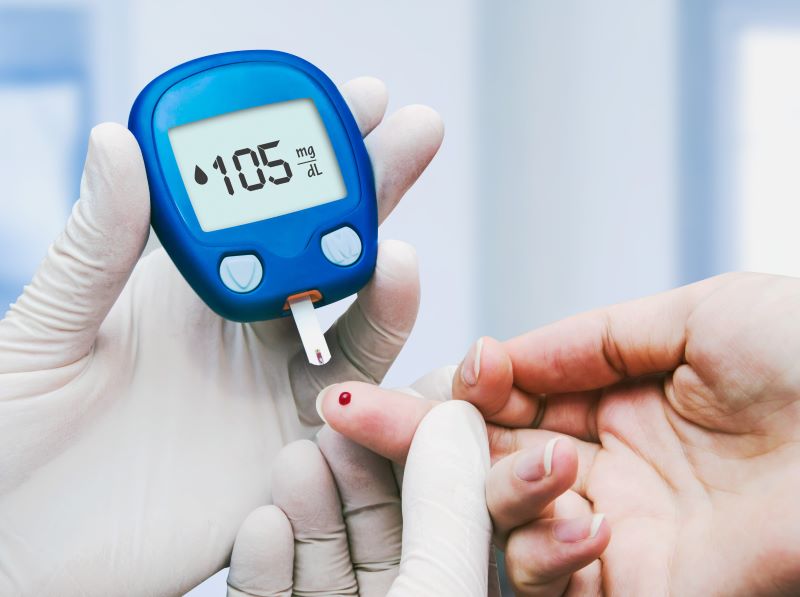
Blood Glucose Level Monitoring and Diabetes
This comprehensive workshop provides foundational knowledge on diabetes and the critical role of blood glucose monitoring in managing and preventing diabetes-related complications. The course will cover the function of insulin in the body, the importance of maintaining balanced glucose levels, and how to monitor blood sugar effectively for at-risk patients.

Intravenous Cannulation
This practical workshop is designed to provide healthcare professionals with essential skills in intravenous (IV) cannulation. The course is ideal for providers involved in services like therapeutic vitamin drips, fluid replacement, and blood donation.

Phlebotomy Training
This comprehensive phlebotomy training programme is designed to equip healthcare professionals with the essential skills and knowledge required for proficient and safe blood collection. The workshop covers a wide range of topics, from the historical and modern roles of phlebotomy in healthcare to practical techniques and patient communication.

Advanced ECG Interpretation
This in-depth workshop is designed to equip healthcare professionals with advanced knowledge of electrocardiogram (ECG) interpretation, focusing on various heart conditions that can affect cardiac function.
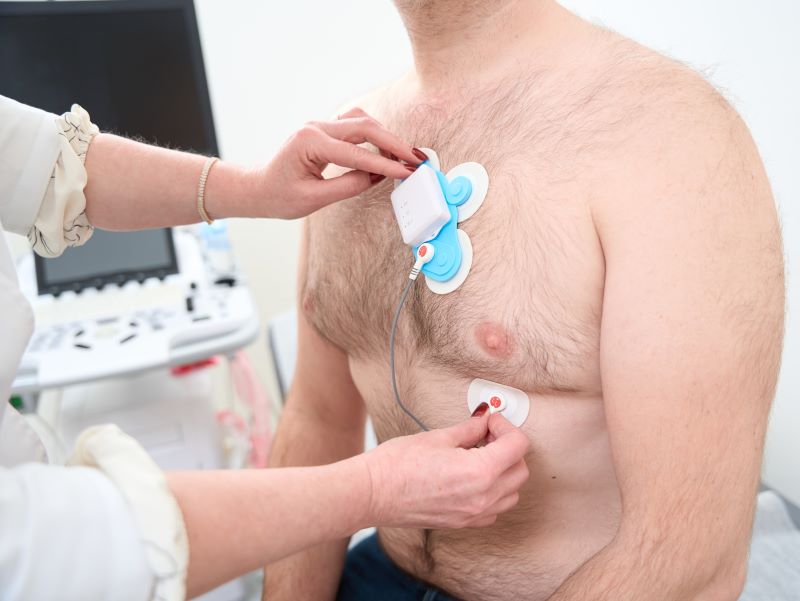
12-Lead ECG Interpretation
This comprehensive 12-Lead ECG Interpretation training programme is designed to provide healthcare professionals with the knowledge and skills required to accurately perform and interpret 12-lead ECGs.

Manual Blood Pressure Recording
This comprehensive training programme is designed to provide healthcare professionals with the knowledge and skills required to accurately measure and interpret manual blood pressure.

Thrive not just Survive
This web workshop focuses on time management, dealing with conflict and aggression, building resilience and progression and succession planning.

Resilience for GPs and Clinicians
This programme focuses on issues that regularly arise in medical practice and are often difficult to deal with. We will cover how to build resilience into your practice in an interactive way with practical guidance to enable participants to manage more effectively their human resource and deal with any staffing challenges. The workshop will focus on developing personal and professional behaviours, to ensure employee engagement and wellbeing. The workshop will give participants new techniques for greater efficiency, effectiveness and emotional balance during periods of stress and accelerated change.

Leadership Development & Leading Through Change
Initially, this programme looks at how leaders can create a high performing ‘loving boot’ culture and fundamentally get the best from their teams. It focuses on building highly effective teams using theory from Lencioni (The Five Dysfunctions of a Team) and helps delegates to dissect what needs to be in place and to gain common agreement as to what needs to happen for a team to be high performing. Challenging conversations and feedback form a key part here in setting expectations and fully maximising performance within the team.

Leadership Development
An intensive one-day workshop for those in leadership roles who wish to better explore and understand the impact they can make on those around them to develop a better business.

Health & Safety, Employee Engagement & Wellbeing
This workshop will provide an introductory level to Health and Safety and how this impacts people and will go on to focus on employee engagement and wellbeing. The workshop will give participants new techniques for greater efficiency, effectiveness and emotional balance during periods of accelerating change.

Dispute Resolution
This module focuses on the Dispute Resolution, Internal & External Disputes and Partnership Mediation issues that may arise in medical practice that are often difficult to deal with. We will focus on the techniques to enable you to find it easier to collaborate with you partners. You learn how to make your teams more effective. You will develop the skills and the mindset to better manage the potential for both internal and external disputes and you will understand how to create a happier and more productive working environment.

Change Management
This module looks at the fundamental aspects of change management and how to deal with them. We will focus on what change is and how to develop a change management approach to ensure buy-in across the GP Practice. The module will be delivered as an interactive session with practical guidance to enable participants to map the techniques onto their own practice. Case studies will be used to provide tips and insights on good practice, how to track and control the change plan; managing the people and organisational aspects of change; communicating and selling the change to others; recognising why people fear change and react the way they do through change models.

Train the Trainer
Many people are expected to teach other staff and colleagues because of the knowledge and skills they have in a particular area. Unfortunately, if you don’t have the very different set of skills necessary to be a good trainer, it can be very difficult to pass on your own expertise. This course was developed, initially to support doctors, and more recently nurses, practice managers and other health care professionals in developing their skills and confidence as a teacher or trainer. As healthcare teams broaden their horizons there is a requirement for them to change their behaviours and develop skills which enable them to more effectively support and develop those around them. This workshop will help delegates to develop their skills and leadership behaviours and give them confidence when working with learners and less experienced staff.

Introduction to Clinical Coding
SNOMED CT** - Systematised Nomenclature of Medicine - Clinical Terms – is the common clinical language that will replace Read Codes within the NHS. SNOMED CT is a comprehensive clinical terminology that makes healthcare information accessible and usable across the globe. SNOMED provides a “common language” comprised of concepts, terms and relationships that enable a consistent way of capturing, sharing and aggregating health data across clinical specialties and different sites of care.

Exceptional Customer Service Training
This workshop was developed to support practice managers and other healthcare professionals in GP practices to develop their skills and confidence to provide excellence in customer service. Our workshops are designed to give delegates a wider message than the conventional customer service programmes.

Introduction to General Practice – Module Four: Personal Development
This web workshop is part of a wider programme to provide an introduction to new frontline staff or those working in general practice to help develop their time management, communication and teamworking skills.

Introduction to General Practice – Module Three: Improving Patient Experience
This web workshop is part of a wider programme to provide an introduction to new frontline staff or those working in general practice who would benefit from learning more about the various NHS initiatives to improve the patient experience including signposting, the new ARRS roles and personalised care.

Introduction to General Practice – Module Two: Administration
This web workshop is part of a wider programme to provide an introduction to new frontline staff or those working in general practice who would benefit from understanding the component parts of Administration in general practice including medical terminology, confidentiality and GDPR, how to register patients and clinical correspondence.

Overview of Microsoft Office Applications
This workshop is an overview of the features of the main MS Office Packages. It is a whistlestop tour of useful hints and tips of the top 5 programmes used within MS Office, this includes Word, PowerPoint, Outlook, Excel and Teams. A workshop like this will equip delegates with new knowledge, tools and resources they can take away to look at making processes slicker, review current practice and make efficiency savings all by understanding our technology a little better.

Introduction to Primary Care
The PMA Introduction to Primary Care web workshop programme covers all the key areas that need to be addressed when working within this sector. We focus on the issues that regularly arise in practice.

Introduction to General Practice – Module One: Customer Service and Care
This web workshop is part of a wider programme to provide an introduction to new frontline staff or those working in general practice to develop their skills and confidence to provide excellence in customer service and to better manage disputes and to help manage challenging conflict situations experienced in practice.

Active Signposting/Care Navigation
The key objective of Active Signposting (AS) is to help patients access the right care at the earliest opportunity. It is a new system of ‘triage‘, carried out at the first point of contact with the GP Practice by non-clinical staff under direction of the clinical team. There are numerous drivers for this patient-centred approach and outcomes will include a more streamlined GP workload, improving efficiencies in terms of access to services and patient satisfaction. It will achieve this by releasing valuable GP time and resources. Staff will actively manage requests for GP appointments and safely redirect inappropriate GP consultations to the most appropriate care provider.

General Practice Property Management
We are facing multiple challenges and there is an apparent disconnect between managing your healthcare practice and delivering contracted medical services. Whilst the ownership of the practice can be separate from the service provision, it is usually the doctors who own and provide medical services. This one day workshop covers various property issues which have a direct impact upon the practice.
Correspondence Management & Workflow Optimisation
There is a widely held belief that a strengthened version of general practice is essential to the wider sustainability of the NHS and that general practices themselves seem more open to new ways of working than ever before. It’s about ‘doing more with the same, rather than doing more will less’ but it’s also about ‘doing things differently’ and that means addressing both skills and processes.

Partnerships & Federations
Partnerships & Federation includes Partnership Changes & Mergers, Written Agreements Federations, Business & Property Management. This module looks at partnership issues – written agreements and matters relating to partnership changes, including the pitfalls of merging practices. We also focus on Federations and mergers and models for working at scale, which are amongst the most important topics currently facing medical practice and the programme provides full information on developing issues by experts who are dealing with them on a day to day basis. To finish the workshop, we will take a more in-depth look at the considerations around property ownership and property management in the merger and partnership discussions.

HR & Employment Issues
This programme focuses on issues that regularly arise in medical practice that are often difficult to deal with. We will cover employment law in an interactive way with practical guidance to enable participants to manage more effectively their human resources and deal with any staffing challenges.

Business Risk & Governance
This module focuses on the Business Risks and Governance issues that regularly arise in medical practice that are often difficult to deal with. We will focus on how to create competitive, collaborative and commercial advantage for the GP Practice through an understanding of the Risks and Governance issues relevant to General Practice. The module will be delivered as an interactive session with practical guidance to enabling participants to map the techniques onto their own risk and governance profile for their practice. The Tips on managing risk provide useful guidance to enable participants to understand and mitigate the governance requirements, liabilities and risks within General Practice. Group work is provided on all aspects of the programme so that participants develop their understanding of the topics by interacting with colleagues.

GDPR
Although the EU General Data Protection Regulation (GDPR) does not come into force until May 2018, the scope of the changes under the new Regulation means that preparing for the GDPR will be high priority for the next 6 months. GDPR will need to be implemented alongside the New Data Protection Act which will both come into force on 25th May 2018.

Join our vibrant community of over 50,000 today and benefit from our services
As a PMA member, you will benefit from regular news and updates on key issues and regulatory changes that affect you in your role. You will gain access to exclusive training and events that ensure you maintain currency of knowledge and skills. You will have the opportunity to meet and network with your peers from around the UK