

To meet the growing demands and challenges of community pharmacies and general practice, PMA offers series of specialised clinical workshops aimed at enhancing the skills of pharmacy and general practices staff – to enable them to expand their service capabilities with confidence.
These workshops cover critical areas such as phlebotomy, blood pressure management, 12-lead ECGs, blood glucose monitoring and diabetes awareness, and more – aligning with national goals like conducting 200,000 cardiovascular screenings in pharmacies.
Our workshops are designed to be flexible, with options for individual or customised packages to fit specific pharmacy or practice needs. PMA is dedicated to empowering pharmacies and community healthcare providers, to increase profitability and ensure a more sustainable future for community healthcare.
The workshops provide delegates with access to virtual training, which can be delivered in a convenient time window to meet your specific needs. These workshops can also be delivered face to face, if required.
If you want more information on the PMA Clinical Workshops or are interested in PMA developing a bespoke session or programme, please get in touch.
Clinical Workshops list
- Manual Blood Pressure Recording
- Phlebotomy Training
- 12-Lead ECG Interpretation
- Frailty Focused Care: Preventing, Identifying, and Living with Frailty in Later Life
- Mental Health in Later Life: Understanding the 3Ds – Depression, Dementia, and Delirium
- ReSPECT Conversations: Building Confidence in End-of-Life Decision-Making
- Patient Safety: Compassionate Conversations: Skillful Communication in End-of-Life Care
- Patient Safety: Caring with Kindness
- Advanced ECG Interpretation
- Advanced Clinical Skills – Cardiac Skills for Frailty Pathway
- Advanced Clinical Skills – Hypertension and Cardiovascular Disease
- Advanced Clinical Skills -RCN Accredited Asthma and COPD Course
- Advanced Clinical Skills – Respiratory Conditions
- Advanced Clinical Skills Mastering Advanced Wound Care: Elevating Clinical Skills for Complex Cases
- IV Cannulation
- Blood Glucose Monitoring & Diabetes Awareness
- Mental Health Upskilling: Dementia – Session One – Dementia Awareness, Identification, and Risk Reduction
- Mental Health Upskilling: Dementia – Session Two – Person-Centred Care and Communication
- Mental Health Upskilling: Dementia – Session Three – Health, Wellbeing, and Pharmacological Interventions
- Mental Health Upskilling: Dementia – Session Four – Living Well, Families and Inclusion
- Mental Health Upskilling: Dementia – Session Five – Law, Ethics, End-of-Life Care and Leadership
Inclusive and Accessible
PMA is committed to inclusiveness and accessibility. The learner and practice staff-centred sessions will seek to embrace the principle of inclusive learning. These sessions will be delivered in cohorts. Whether face-to-face or virtual, we will engender a learning environment where we all agree to the principles of:
- Togetherness – and as this is an opt-in opportunity to be included in the programme, we’ll agree on openness and the need and desire to change.
- Equality, where we are all equal – we can’t change the past but we can change the future.
- Participation and engagement – where all voices will be heard.
- Respect and acceptance.
- Acceptance and agreement of the rules of the room and the rules of engagement.
- Embracing individual differences.
- Embracing the Principle of Change.
Building confidence and affirming their identity as valued team members will support their learning and their engagement with the changes needed.

Health, Wellbeing, and Pharmacological Interventions
This session focuses on the critical aspects of health and wellbeing for individuals living with dementia, emphasising a holistic approach to care. Participants will explore the multifaceted nature of health, including physical, psychological, and social dimensions, and understand the essential role that Allied Health Professionals (AHPs) play in assessing and supporting these areas.

Living Well, Families and Inclusion
Delegates will explore practical strategies for involving families and caregivers in the care process, recognising their vital role in supporting individuals with dementia. Additionally, the session will address the significance of cultural competence and inclusivity in providing care that respects the diverse backgrounds of patients and their families. Through collaborative breakout sessions and discussions, participants will develop actionable plans to enhance family involvement and foster inclusive care environments.

Law, Ethics, End-of-Life Care and Leadership
The workshop begins with an exploration of key legal and ethical issues relevant to nursing and Allied Health Professionals (AHPs), supported by established ethical frameworks. Delegates will then examine best practices for end-of-life care, focusing on palliative care principles and the importance of family support. The session culminates in a discussion of effective leadership in dementia care, emphasising the significance of advocacy, collaboration, and local initiatives.

Compassionate Conversations: Skillful Communication in End-of-Life Care
This workshop will equip healthcare staff with the communication skills necessary to initiate and navigate sensitive end-of-life conversations with patients and their families. It will emphasise a patient-centred approach that respects patient preferences, values, and goals, beyond a ‘Do Not Attempt Cardiopulmonary Resuscitation’ (DNACPR) discussion. Participants will also learn how to identify patients within the last 12 months of life and recognise end-of-life signs and symptoms.

Caring with Kindness
The programme emphasises practical techniques to cultivate self-compassion, engage in meaningful conversations with patients, and address systemic barriers that may hinder compassionate care. Participants will leave with actionable strategies to practice kind and compassionate leadership in their everyday roles.

ReSPECT Conversations: Building Confidence in End-of-Life Decision-Making
This half-day, 4-hour session focuses on upskilling participants in conducting effective ReSPECT conversations with patients nearing the later stages of life. It will explore medico-legal aspects, offer strategies for navigating sensitive discussions, and ensure the accurate completion of associated documentation.
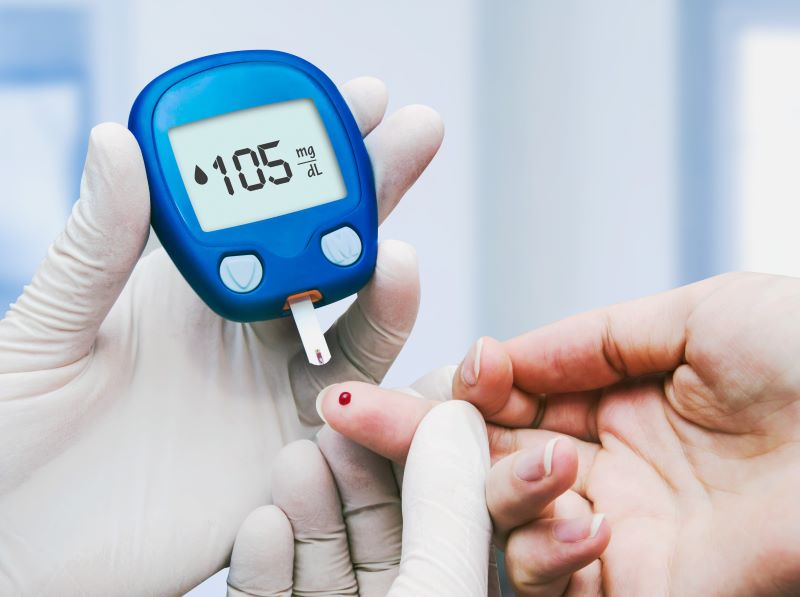
Blood Glucose Level Monitoring and Diabetes
This comprehensive workshop provides foundational knowledge on diabetes and the critical role of blood glucose monitoring in managing and preventing diabetes-related complications. The course will cover the function of insulin in the body, the importance of maintaining balanced glucose levels, and how to monitor blood sugar effectively for at-risk patients.
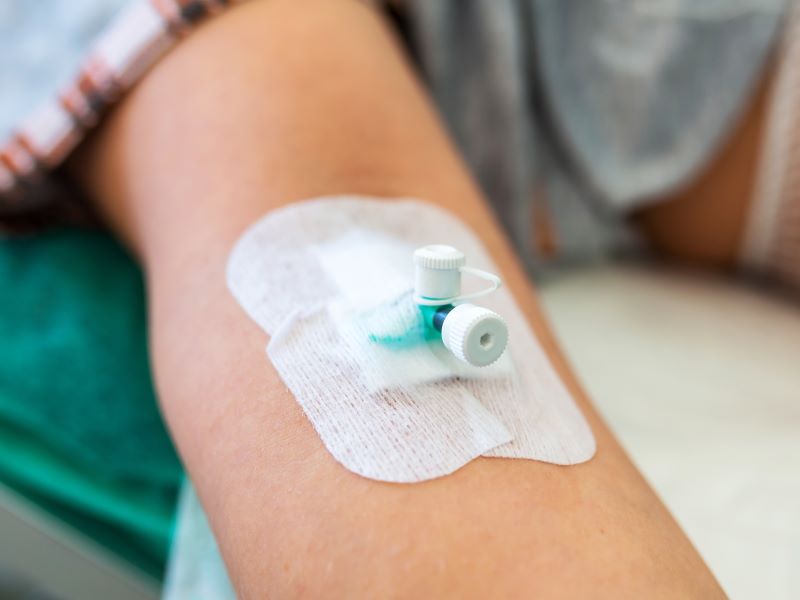
Intravenous Cannulation
This practical workshop is designed to provide healthcare professionals with essential skills in intravenous (IV) cannulation. The course is ideal for providers involved in services like therapeutic vitamin drips, fluid replacement, and blood donation.
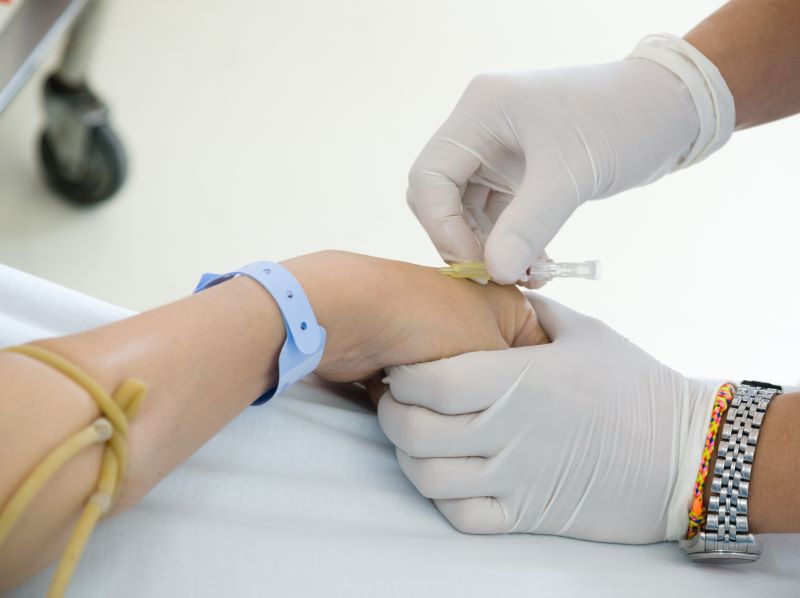
Phlebotomy Training
This comprehensive phlebotomy training programme is designed to equip healthcare professionals with the essential skills and knowledge required for proficient and safe blood collection. The workshop covers a wide range of topics, from the historical and modern roles of phlebotomy in healthcare to practical techniques and patient communication.
Join our vibrant community of over 50,000 today and benefit from our services
As a PMA member, you will benefit from regular news and updates on key issues and regulatory changes that affect you in your role. You will gain access to exclusive training and events that ensure you maintain currency of knowledge and skills. You will have the opportunity to meet and network with your peers from around the UK