
The programme emphasises practical techniques to cultivate self-compassion, engage in meaningful conversations with patients, and address systemic barriers that may hinder compassionate care. Participants will leave with actionable strategies to practice kind and compassionate leadership in their everyday roles.

Clinical Workshop
The workshop begins with an exploration of key legal and ethical issues relevant to nursing and Allied Health Professionals (AHPs), supported by established ethical frameworks. Delegates will then examine best practices for end-of-life care, focusing on palliative care principles and the importance of family support. The session culminates in a discussion of effective leadership in dementia care, emphasising the significance of advocacy, collaboration, and local initiatives.
Delegates will explore practical strategies for involving families and caregivers in the care process, recognising their vital role in supporting individuals with dementia. Additionally, the session will address the significance of cultural competence and inclusivity in providing care that respects the diverse backgrounds of patients and their families. Through collaborative breakout sessions and discussions, participants will develop actionable plans to enhance family involvement and foster inclusive care environments.
This workshop will explore the principles of person-centred approaches that prioritise the unique needs and preferences of individuals living with dementia. Delegates will learn about validated communication frameworks and their application in clinical practice, emphasising culturally competent communication tailored to the diverse UK population.
Participants will explore the various types of dementia, the clinical relevance of adhering to national and local dementia guidelines, and the role of healthcare professionals in identifying risk factors. This session will combine theoretical knowledge with practical insights, encouraging participants to apply what they learn in their clinical practice to enhance patient care and outcomes for individuals living with dementia.
This half-day, 4-hour session focuses on upskilling participants in conducting effective ReSPECT conversations with patients nearing the later stages of life. It will explore medico-legal aspects, offer strategies for navigating sensitive discussions, and ensure the accurate completion of associated documentation.
This interactive half-day workshop focuses on the mental health challenges associated with later life, specifically exploring Depression, Dementia, and Delirium (the “3Ds”). Healthcare professionals will gain an understanding of the biological, cognitive, and psychological changes that accompany ageing, alongside practical skills to recognise and manage these conditions in older adults. The workshop emphasises a person-centred approach to enhance patient outcomes.
This interactive workshop aims to enhance healthcare professionals’ understanding of frailty and its impact on patients later in life. Participants will learn how to prevent, identify, and manage frailty, with a focus on providing compassionate, patient-centred care. Effective communication strategies for working with frail individuals and their families will also be emphasised.
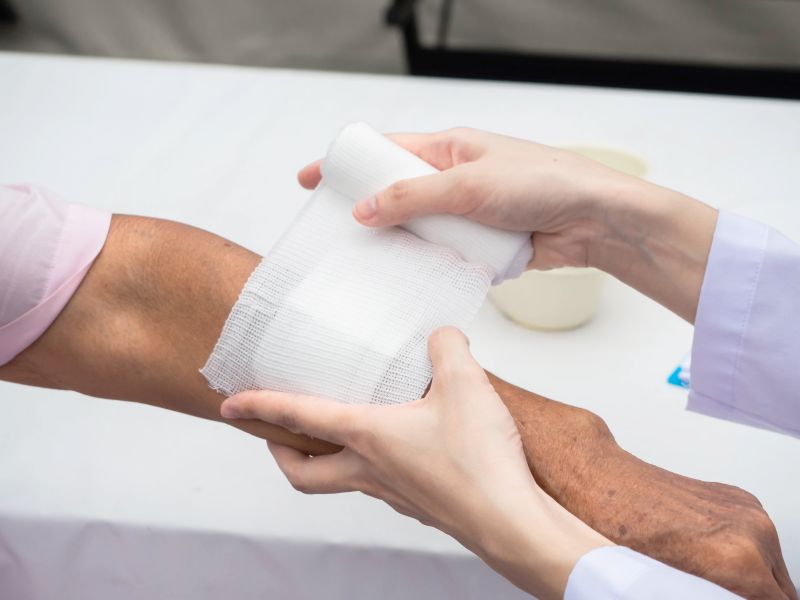
This full-day workshop on Advanced Clinical Skills in Wound Care is designed to equip healthcare professionals, including nurses, clinical staff, and advanced practitioners, with the skills to recognise, manage, and refer complex wounds such as leg ulcers, surgical wounds, diabetic ulcers, and pressure areas. It provides participants with a comprehensive understanding of wound care, including referral pathways, and ensures accurate documentation in clinical practice.
The session will provide a comprehensive understanding of respiratory conditions, focusing on their pathophysiology, assessment techniques, and treatment options. Delegates will engage in discussions and practical exercises aimed at enhancing their clinical skills and knowledge, ultimately improving patient care and outcomes for individuals with respiratory issues.